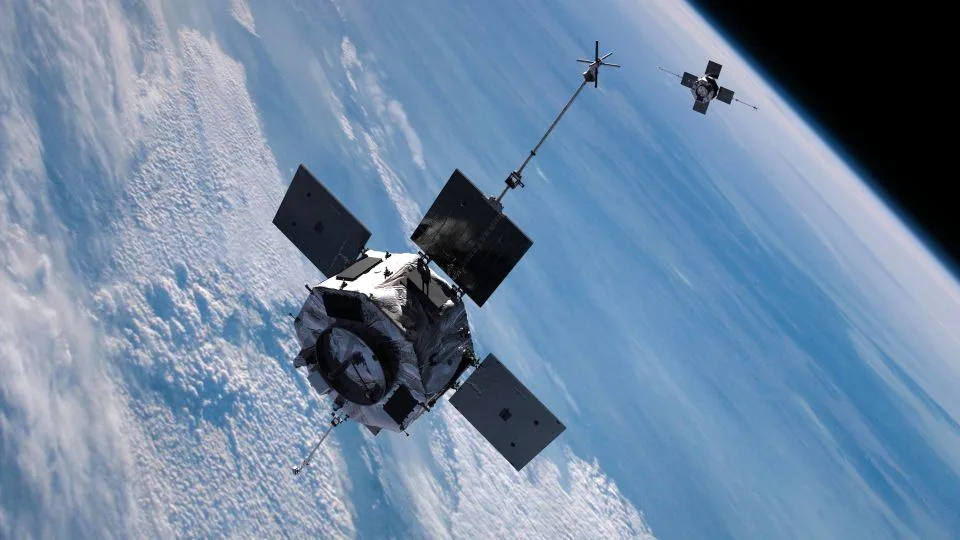
A large space probe plummeted into Earth’s atmosphere early Wednesday — years earlier than expected. And while most of the spacecraft was expected to disintegrate in a flaming blaze during reentry, a few components could have survived, according to NASA.
The odds that a piece of debris would cause harm to a person were estimated to be about about 1 in 4,200, the space agency said in a news release.
That’s a low chance, according to NASA, and more favorable odds than those of space debris incidents of years past.A large space probe plummeted into Earth’s atmosphere early Wednesday — years earlier than expected. And while most of the spacecraft was expected to disintegrate in a flaming blaze during reentry, a few components could have survived, according to NASA.
The odds that a piece of debris would cause harm to a person were estimated to be about about 1 in 4,200, the space agency said in a news release.
That’s a low chance, according to NASA, and more favorable odds than those of space debris incidents of years past.A large space probe plummeted into Earth’s atmosphere early Wednesday — years earlier than expected. And while most of the spacecraft was expected to disintegrate in a flaming blaze during reentry, a few components could have survived, according to NASA.
The odds that a piece of debris would cause harm to a person were estimated to be about about 1 in 4,200, the space agency said in a news release.
That’s a low chance, according to NASA, and more favorable odds than those of space debris incidents of years past.